
The Real Design & Construction Process
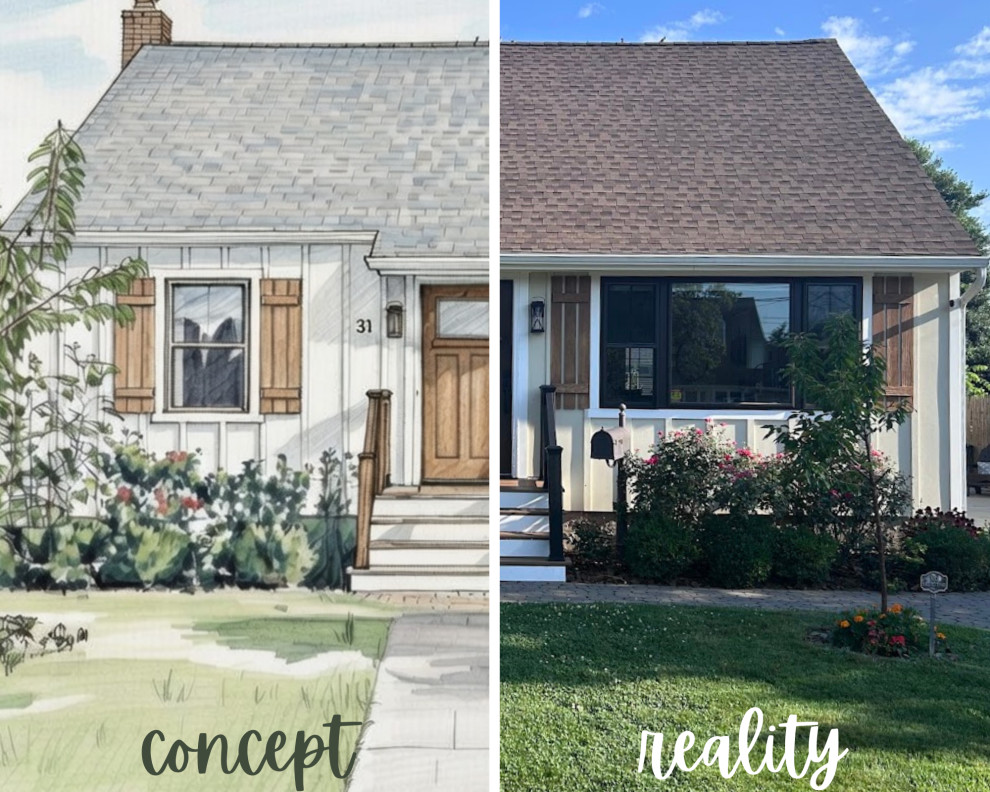
What actually happens from first meeting to move-in?
Phase 1: Schematic Design
In this initial phase, architects focus on client vision alignment through concepts, sketches, and layout studies to create a strong foundation for the project.
Initial Meeting:
This is your opportunity to ask questions and learn what to expect from your architect. Reviewing your agreement up front helps to clarify scope of work and responsibilities. Understand the architects design philosophy, qualifications, and communication style.
Existing Conditions:
The architect will verify existing conditions to determine the feasibility of any project. It involves site surveys, measurements, and documentation of the structure and site to inform accurate design. It can be helpful if the owner obtains the original drawings on file from the building department.
Scope of Work:
What are the goals of your project, timeline, and budget? Understanding the client's lifestyle and needs helps achieve the desired results.
Phase 2: Design Development
This phase focuses on refining designs through revisions, ensuring engineering coordination, selecting materials, and creating detailed technical drawings. Many of the critical decisions are made during this phase to ensure the documents can be completed accurately.
Phase 3: Construction Documents
After final client sign offs, the technical drawings and specs for the building are completed for submission to the building department.
Phase 4: Bidding & Permits
Now is the time to select a contractor and secure pricing. At the same time the drawings are ready to be submitted to the building department for review with code compliance. It is common to have revisions and comments with the building department.
Its important for the owner to understand the contract with the architect and know what services are included. Many architects end their agreements upon an issued building permit, leaving the remaining responsibilities to the owner.
Having realistic timelines, securing necessary permits, and ensuring smooth contractor coordination helps to ensure a successful project execution.
Phase 5: Construction Administration
An architect ensures the construction completion meets requirements. Keep them involved to help troubleshoot any issues. Building departments can require certifications that the work is completed according to the documents.
Final Phase: Move-In / Post Occupancy Evaluation
The project is not over once the end user has occupied the space. I survey my clients not only to verify satisfaction but to understand how I can improve my designs and services moving forward.
Early involvement pays off!